Friday, March 15, 2024

Registration now open for 2024 Gulf Coast Classic

2024 Gulf Coast Classic
Friday-Saturday, May 3-4, 2024

Gulf State Park – Learning Campus
Gulf Shores, Alabama
Website: www.ffigulfcoastclassic.com

The Gulf Coast Council (GCC) of Fly Fishers International (FFI) will hold their 2nd annual Gulf Coast Classic back again at the Learning Campus of Gulf State Park in Gulf Shores, Alabama.  The GCC is a regional entity of FFI, representing members and clubs in Louisiana, Mississippi, south Alabama, and northwest Florida.  While the Classic is not considered a fundraising event, any net revenue goes to conservation efforts within the council.

The event is open to the public, and admission fees are only $10 per day adults and $15 per day for families.  There are also workshops available, some free, some at a nominal cost, which seats can be reserved at registration time.

The Classic website is up and lists current sponsors, exhibitors, demonstration fly tiers, speakers, instructors.  More will likely be added over the next 2-3 weeks.  This year's title sponsor is No Wake Outfitters out of Metairie, LA.  NWO specializes in fly fishing, paddle sports, outdoor apparel and gear, and services.  Check them out at www.nowakeoutfitters.com

Other activities associated with the Classic last year are back again for 2024, including the Mixed Bag Challenge, with a few improvements. Also back is the 2024 Fly Fishing Film Tour (F3T) on Saturday evening. In fact, tickets are already available online.

There are special lodging opportunities for volunteers, demo fly tiers, speakers and instructors.  These VIPs get first shot at booking dorm beds at the special rate of $50 per night.  Starting April 1st, all attendees will have a chance to book any remaining dorm beds at that same rate.  

For those coming as strictly attendees, now is the best time to book lodging in the Foley and Gulf Shores area. Check out the LODGING page on the Classic website for details.

Again, bookmark the Classic site at www.ffigulfcoastclassic.com and visit often as updates will be posted routinely.
Thursday, March 07, 2024

LWF Commission opts for 4-fish limit

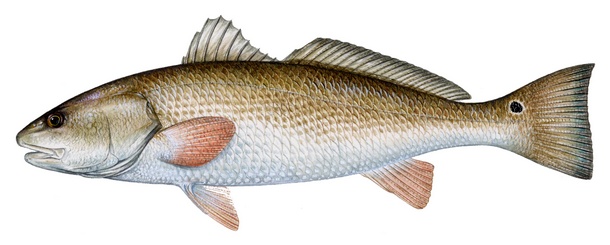
Today the Louisiana Wildlife & Fisheries Commission rescinded the proposed Notice of Intent (NOI) for new redfish regulations of a 3-fish daily creel, 18"-27" slot with no overslots, and replaced it with a 4-fish daily creel, also with a 18"-27" slot (no overslots).  So basically added 1 more fish to the proposed daily limit. But in doing so, that extra fish will add 11 more years to the Spawing Potential Ration (SPR) recovery to the Conservation Standard. 

Comments were evenly divided between the 3-fish and 4-fish proponents. Two new commission members both voted for 4-fish while the retired members they replaced had both voted in support of 3-fish. CCA Louisiana has been spearheading efforts to get a 4-fish regulation in place, while Fly Fishers International Gulf Council (FFI-GCC), Louisiana Wildlife Federation, and other groups supported the 3-fish limit.

A public hearing will be held on April 29th for the modified NOI.  If no further changes are made, this proposed regulation will go into effect either July or August.

Sunday, March 03, 2024

LWF Commission to review redfish regs - again!

This Thursday, March 7th, the Louisiana Wildlife & Fisheries Commission will once again review arguments and consider amendments to proposed redfish regulations. This comes after the 3-fish, 18-27 inch slot proposed Notice of Intent (NOI) passed in December by the Commission was only days away from taking effect.

By now, it's common knowledge that redfish are being overfished. In addition to a number of environmental problems that plague the species, the amount of fishing pressure has more than doubled since the current regulations were established in 1988. Biologists say that changes are necessary to restore both Escapement Rate and Spawning Potential Ratio (SPR) back to the conservation standard.

Several conservation groups have supported the 3-fish NOI, including the American Sportfishing Guides Association (ASGA), the Louisiana Wildlife Federation, the Gulf Coast Council of Fly Fishers International (FFI), to name a few.

However, one “conservation” group – along with their bowfishing allies – have continued to push for a four fish limit. What's the difference between a 3-fish limit and a 4-fish limit of the same slot sizes?  About 17 years longer recovery with the 4-fish limit! That group is not denying that they would like to build a hatchery for the purpose of stocking red drum in Louisiana waters. This despite much evidence that hatchery-raised redfish contribute less than 2 percent to recruitment of spawning stock.

What can you do?

  • Contact Commission members below and ask them to retain the current 3-fish NOI, and a faster recovery period.
  • Contact your state legislator and let them know you support the 3-fish NOI.
  • If possible, attend the March 7th Commission meeting in Baton Rouge and speak out!

In crafting your email, be kind and courteous. Please point out some of the issues facing redfish, including the fact that we've doubled the number of anglers since the current regulations were set 36 years ago!

Opponents of the 3-fish NOI have stated they are seeing lots of small reds in the marsh. At least where they fish.. not everyone is seeing this. The real problem is the number of fish making it to maturity. It takes 4-5 years, during which they have to avoid more threats now than ever before. At least 30 percent must escape or our stocks will continue to decline.

Again, if you can make the Commission hearing on March 7th, PLEASE DO SO. Meetings are held at LDWF headquarters, 2000 Quail Drive in Baton Rouge, LA, beginning at 9:30 a.m..

If you can attend, please sign up prior to the meeting start to speak on the topic. Instructions are given when you signup.

Members of the Louisiana Wildlife and Fisheries Commission
https://www.wlf.louisiana.gov/page/commission

LA House Natural Resources Committee
https://house.louisiana.gov/H_Cmtes/NaturalResources

With a strong email effort, and a strong turnout, we can finally win the battle to give redfish the faster recovery they need.

Monday, February 26, 2024

Finesse for success for spawning bass

The bass spawn is on in some parts of the state. This is an opportunity to catch a trophy-sized fish, or even just a larger specimen, on your fly rod.

Back in the days when I fished conventional tournaments - and even some that I've fished more recently - the key to getting a spawning bass to eat was to present the lure in the most delicate way possible and keep it near the fish as long as possible.  These "finesse" tactics can be applied to fly fishing as well.

The key is small and near-weightless flies, and longer leaders 8 to 9 feet. I leave the 8-weight at home and bring a 6-weight outfit. That might seem a bit light for battling a big bass. But before you can battle the fish, you need to get it to eat. Spawning bass are exceptionally spooky!  Light tackle and finesse flies are the ticket.

Think about what the conventional angler might use in this situation. From my experience, nothing beats a wacky worm or a fluke. Comparable worm-like flies would be Terry Wilson's Bass Bully or Ted Cabali's Cabali Creature (shown on left).  

As for the fluke, nothing matches it better than the gold standard of freshwater fly fishing, the Woolybugger!

In tying woolybuggers for bass, I make them larger than those for trout, usually sizes 4 down to 8. My SR71 Woolybugger has proven to be a real killer, with the action of the schlapplen feather too much for Miss Bigmouth to handle.  But any type woolybugger will do, and in fact, the 5.36 pounder pictured above fell for an olive Fluff Butt. A Fluff Butt is nothing more than a woolybugger without the hackle, right?

Remember that these spawning bass are replenishing the waters you're fishing.  So handle them gently and release them to lay their eggs.

Thursday, February 15, 2024

Make plans now for Red Stick Day

29th annual "Red Stick Day" fly fishing festival
Saturday, March 9, 2024


8:30 am to 3:30 pm
LDWF Waddill Outdoors Center,
4141 North Flannery, Baton Rouge, LA
FREE admission!

Hosted by the Red Stick Fly Fishers, Red Stick Day is the longest-running event of its kind in Louisiana. It routinely features regional as well as nationally recognized speakers and fly tiers.  The casting sessions are led by Fly Fishers International (FFI) Basic and Master level certified instructors.

While the programs, fly tying demos, and casting sessions appeal to both beginners and experts, many attendees enjoy the kayak demos, comradery, and fishing on premises. Lunch is also provided for a nominal cost.  There's also one of the largest raffles of any fly fishing event on the Gulf Coast, which raises money for the club's various educational and conservation projects.

For more info, including a schedule of activities, go to the Red Stick Fly Fishers website at www.rsff.org and click on "Red Stick Day".

Wednesday, February 07, 2024

The 5 Waves of Sunfish

One of my favorite alien invasion movies is "The 5th Wave" starring Chloe Grace Moretz. In part because Ms Moretz is a great action film heroine. And in part because the story makes far more sense than most others. If an alien race wanted to invade Earth, given the small amount of resources they could bring through the vastness of space, a series of devastating non-confrontational attacks works far better than an all-out military assault.

Speaking of invasions, we have a series of panfish invasions to shallow water starting right now. For us humans, our weapons in this battle will be lightweight fly rods, loaded with various bug and minnow imitations.

The 1st Wave are small bream of various species looking for any feeding opportunity. They'll have a pale color to them. It's mostly a sign that the days are getting longer and water is getting warmer.  This is happening right now.

The 2nd Wave are large redears. The biggest redears in any water spawn early, usually in late February, and in water 3 to 5 feet deep. Cap Spiders, Hares Ears, Jitterbees, Fluff Butts - any fly that gets to the bottom where the fish hold tight - will work.

The 3rd Wave are crappie. Sacalait begin moving to the shallows as early as mid-February but the peak is sometime late February to mid-March.  Look for any structure close to shore, e.g, docks, cypress trees, sunken logs, etc. Although Fluff Butts are the primary weapon against their invasion, Woolybuggers, Cap Spiders, Wet Flies, various beadhead nymphs, will work. When fished under a strike indicator, it allows the angler to work the fly close to structure longer.

The 4th Wave are big bluegills. Like with redears, the largest bluegill spawn earlier than the rest. Timeline is usually early March to mid-April. The beds are usually shallower than with redears and this allows patterns like Slowing Sinking Spiders, Wet Flies, and even poppers to be added into the arsenal.

Then there's the 5th Wave. These are mid-size to large bream of various species that are actively feeding on bugs. This is a time when solid numbers can be caught, and with the water still cool, the fights are scrappy! Usually early April to mid-May. At this point, the "gobbules" will eat just about any bug, minnow, shrimp or worm imitation. But I prefer to fish popping bugs or Triangle Bugs because the eats can be explosive!

So get your tackle ready, your flies tied or purchased. The invasion of sunfish is about to begin, and unlike an alien invasion, it's a fight we can win.

Wednesday, January 10, 2024

Spring is a time for conclaving!

When it comes to fly fishing, Spring is event season across the deep South. There's a wide range of events from large commercial expos like the Atlanta Fly Fishing Show and Texas Fly Fishing & Brew Festival to club festivals like "Red Stick Day" and to the larger Fly Fishers International regional events like the "Gulf Coast Classic".

In the past, we referred to these club and FFI regional events as "conclaves". There was some resistance to that name by some because it's defined as "a private meeting".  When in fact, these events are open to the public.

However, we made a strong case to the folks at Webster and Cambridge to add "a fly fishing festival" as a definition.  And to include it as a verb as well. So you can say "He went conclaving" which means a man went to a fly fishing festival. Or if they're gender fluid, "Ze went conclaving". Or if your group went to a conclave, "They conclaved last week".  We've not heard back yet from Webster or Cambridge, but certain our proposal will be adopted someday. 

In the meantime, check out the list of Spring 2024 events here in Louisiana or within a short drive from our state... and "Happy Conclaving!".

Jan. 20 (Sat) – 5th biennial CENLA FLY FISHING & LIGHT TACKLE FESTIVAL, Kees Park Center, Highway 28 East, Pineville, LA. 8:30am – 3:30pm. Free admission. Presentations, fly tying demos, casting clinics, exhibitors and more. Special guests: Duane Hada, Tadd Fore.  Jambalaya lunch available. Benefits Food Bank of Central Louisiana. Hosted by Kisatchie Fly Fishers club. Website: www.kisatchiefly.org.

Jan. 27 (Sat) – 31st annual Dr. ED RIZZOLO FLY TYING FESTIVAL, Trini Mendenhall Community Center, 1414 Wirt Rd, Houston, TX. 8:30am – 4:30pm. The largest fly tying event on the Gulf Coast features over 80 tiers as well as seminars and vendors. Featured guest tier: Les Lehman. Hosted by the Texas Fly Fishers club. Website: texasflyfishers.org.

Feb. 2-4 (Fri-Sun) – ATLANTA FLY FISHING SHOW, GA South Center, 6400 Sugarloaf Pkwy, Duluth, GA. 9am – 6pm. Largest fly fishing show in the South featuring nationally-renown speakers, tiers. Workshops, seminars, destination seminars, exhibitors, and more. FFI will host the Learning Center, with casting and fly tying instruction free to show attendees. Website: www.flyfishingshow.com.

Feb. 24-25 (Sat-Sun) – 7th annual TEXAS FLY FISHING & BREW FESTIVAL, Mesquite Convention Center, Mesquite, TX. Nationally known fly fishing authors, professional guides, expert casters, fly tiers from across the country, dozens of exhibitors. Microbrew sampling. Website: txflyfishingfestival.org.

Mar. 9 (Sat) – 26th Annual RED STICK DAY, Waddill Outdoor Education Center, 4142 N Flannery Rd, Baton Rouge, LA. 8:30am – 3:30pm. Free admission. Seminars, tying demos, kayak demos, casting clinics, food, refreshments. Hosted by Red Stick Fly Fishers. Website: www.rsff.org.

Mar. 21-23 – 27th annual SOWBUG ROUNDUP, Baxter County Fairgrounds, Mountain Home, AR. 9am – 4pm, each day. Admission $10 for all 3 days, adults with kids under 12 free. Largest fly tying event in the country, over 120 tiers. Seminars, fly tying clinics, vendors. Special guests Davy Wotton, Tim Flagler. Hosted by North Arkansas Fly Fishers. Website: www.sowbugroundup.org.

May 3-4 (Fri-Sat) – 2nd annual FFI GULF COAST CLASSIC, Learning Campus, Gulf State Park, Gulf Shores, AL.  Seminars, fly tying demos, casting clinics, raffles, Mixed Bag Challenge fishing contest. Fly Fishing Film Tour (F3T) on Saturday 4pm. Hosted by the Gulf Coast Council of Fly Fishers International. Website: www.ffigulfcoastclassic.com or www.ffigcc.org.

Thursday, January 04, 2024

Rainbeaux Trout time in Louisiana!

Each winter, over a dozen ponds across Louisiana are stocked with rainbow trout. Some of the stockings are by local agencies. For example, ponds in East Baton Rouge Parish are stocked by Baton Rouge Recreation (BREC). Most ponds are stocked by Louisiana Department of Wildlife and Fisheries under their "Get Out and Fish" community fishing program.  

These fish can live in water up to 70 degrees - usually mid to late March here in Louisiana.  However, nearly all the trout are usually caught (and kept) by then.

To see the locations of the LDWF stockings, go to:
https://www.wlf.louisiana.gov/page/get-out-and-fish  or click on the image to this post.

A few things to keep in mind. You do need to have a Louisiana fishing license.  All fish must be caught on legal recreational tackle (rod and reel, fly tackle or cane pole). There is a daily limit of four (4) fish per day.

Most of the stocked fish are between 10 and 12 inches, but each pond will have several up to 16-18 inches to give anglers the opportunity for a bigger fish.

For fly anglers, it's an opportunity to enjoy good fishing at a time when native species like bass and bream are sluggish. All that is needed is a 5-weight outfit. However, for those with an ultralight outfit (3-weight or lower), the fun factor is amplified!

Regarding flies. The first couple of weeks the fish are opportunistic. An olive or black woolybugger will work best, along with a few nymphs such as Prince Nymph, Copper Johns, Hares Ears, and San Juan Worms. Once the trout have acclimated to their environment, dry flies work very well late in the day.  

Sunday, December 24, 2023

Merry Christmas & Happy New Year

Here's wishing everyone a merry and most blessed Christmas.  Hope Santa brings that one fly fishing gift you really need... a new rod, maybe some more flies, or perhaps a ruler to measure those 24-inch speckled trout you claim to catch!

While Christmas is a season of festivity, let's not forget the reason for the season: “And the Word became flesh and dwelt among us….” John 1:14. Please be giving to those in need, and pray for those who are less fortunate, for those in suffering, and for those away from their families this season.

We also wish everyone a prosperous and healthy New Year.  There are many great regional activities coming up in 2024, and we'll have more details on those after the holidays.   In the meantime, you can click on our Calendar page to discover what's happening.

Tuesday, December 12, 2023

Now is the time for all good fly tiers...

To come to the aid of their favorite clubs and causes. With the new year comes "conclave" season, those fly fishing events, often sponsored by clubs, that feature programs, fly tying demos, casting, exhibitors and more. All are open to the public, and most are free. These events hold raffles as part of fundraising activites, and some of the most popular items in the raffles are boxes of flies.

The weather forecast for the next few weeks ahead in the Bayou State is colder and wetter than normal - and normal is usually quite cold and quite wet.  If you're a tier, here's your opportunity to flies for the season ahead. As you do, put a few aside for donation to one or more events.  A box of 8-12 freshwater or 6-10 saltwater flies makes a great raffle item. If your skill is unique, then that donation will likely go to a Gamblers Draw or silent auction.

Check the LFF Calendar out for upcoming events. Make plans to attend at least one this winter/spring, and if you tie flies, please donate at least a box or two of your flies.

Use this time to become a more efficient tier

A few years back, we had a group tying session in early January.  Seeing a couple of fellow tiers made me realize the importance of efficiency.  For example, one gentleman rumaged through his materials for about 10 minutes, then sat down and tied one fly. After that, he rumaged again through his materials and tied a different fly.

There was another gentleman who was tying some flies at the corner table. While he was more organized, he kept looking at his fly and wondering what he was doing wrong.  His flies didn't look very good, either... proportions were wrong, and his choice of color combinations didn't seem right.

Here's a list of things that might help:

1. Organize the materials for each fly into a ziplock bag

Having all your materials for a particular pattern - including hooks, beads, etc. - all in one bag eliminates many minutes of rumaging.  It's a great way to also manage your inventory.  I keep enough in each bag to tie two dozen flies. Any extra material is in a storage box, and is pulled out when inventory is low. 

Also in each bag, I keep a small printed list of materials for that pattern, and one sample of my best effort. If I tie one that's better than the sample, I replace the sample with that fly.   Or if someone tied one better than mine, I use theirs as the sample.  That way I always have the best of that pattern to use as a standard. 

Yet another advantage of "Pattern Bags"... whenever I make a fishing trip somewhere, I simply select the bags for the flies I will most likely use on that trip.  It usually takes 2 minutes at most to load my tying travel bag!

2. Watch a video of the fly before you tie.

Maybe because I'm getting old, but sometimes I forget one or two steps to tying a certain fly. Here, YouTube is my friend! But I've also discovered that certain tiers do a better job at tying certain flies than I do, so it's also a learning process. I'll say, "wow, that's something I didn't think of" and apply it to my next tie.

If you're looking for the best tying videos, try the FFI library (www.flyfishersinternational.org), Orvis fly tying, Tightline Productions (Tim Flager's site), and Son Tao's videos are some of the best. I also highly recommend my friend Bill Morrison's YouTube videos (and those under the Kisatchie Fly Fishers YT Channel) as these are more detailed - and in higher quality video - than most.

3. Never tie just one pattern at a time.

When I sit down to tie a Clouser Minnow (or other fly), I always tie 6 or more at a time. Often, that first Clouser is the worst one, so I'll keep it to fish and put the best looking ones aside for donations. Repetition also results in faster, more efficient tying of subsequent flies.

4. Have a good place and time to tie flies

If you're thinking "I've got the next 20 minutes free, maybe I'll go tie some flies" - then don't!  Tying should be a passive, relaxing endeavor where your skills and creativity have necessary time for your best effort. I never sit down to tie unless I have at least an hour free.

Likewise, choosing a place to tie is very important.  If you have a tying desk, it's probably the best place. Otherwise, select a quiet room with adequate lighting. This surprises a lot of people, but I occasionally tie outdoors under a shaded canopy, when the wind is low or calm. The natural lighting can't be beat. And being outdoors inspires the artist in each of us.

I hope these tips help. If you have any others to suggest, please post on our Facebook page.  

Saturday, December 09, 2023

LWFC amends proposed redfish regulations

At their monthly meeting on Thursday, the Louisiana Wildlife and Fisheries Commission (LWFC) amended proposed regulations for red drum that they had passed in July.  The change in the Notice of Intent (NOI) was necessary after a legislative committee rejected it last month.

As our readers probably know by now, LDWF biologists have assessed that redfish numbers are in decline due to a number of causes. A change in regulations is necessary to restore both escapement rate and Spawning Potential Ratio (SPR) to above the conservation standard for the species.

Current regulations are 5 fish daily limit with a 16-27 inch slot, and one fish per day over the slot. The NOI passed in July called for a 3 fish daily limit, 18-24 inch slot, and no overslot fish allowed.  These changes would have resulted in a 2 year recovery for escapement rate and an 11 year recovery for SPR.

In November, the NOI was sent to a legislative committee for final approval. CCA Louisiana successfully argued for rejection of the NOI, much to the dismay of fly fishing and kayak fishing interests and other conservationists who supported the measure. CCA requested that the Commission pass a more liberal limit of 4 fish daily, 18-27 inch slot (no overslots). This proposal would result in a 29 year SPR recovery… unacceptable to everyone else!

Outside of CCA, the majority of opposition was for the restrictive slot limit.  After much discussion, and unanimous comments in support of, the Commission passed a compromise amendment which expanded the slot from 6 inches to 9 inches but kept the 3 fish per day limit. The amended NOI is now:

– 3 fish daily creel, 18″-27″ slot with no overslots

This new NOI will result in a 4 year recovery for escapement rate, and a 16 year recovery for SPR to the conservation standards.

Now the amended NOI goes back to the Legislative Natural Resources Oversight Committee. It’s expected that opponents to this NOI will again lobby against it. The FFI Gulf Coast Council and it’s allies will make every effort to insure that conservation wins out.

Tuesday, December 05, 2023

Time for Louisiana to protect our crappie fishery

This Thursday, the Louisiana Wildlife and Fisheries Commission will hear an assessment from LDWF inland biologists about the current status of crappie (sacalait, white perch) and any consideration for regulation changes.  

Here are the current regulations for Louisiana and how they compare to neighboring states.

State creel minimum size
Louisiana 50 none
Texas 25 10"
Alabama 30 9"
Georgia 30 none
Florida 25 10"
Mississippi 30 / 15 none / 12"

Missisippi has a statewide limit of 30 fish, but a 15-fish limit on four popular reservoirs: Enid, Arklabutta, Sardis, Grenada.  These lakes are listed in the top 15 crappie lakes in the nation, and are being managed for trophy fish.  However, most of the state-managed lakes also have a lower creel limit of 15, for the purpose of sustaining an optimal yield fishery (not a trophy fishery).

As you can see, Louisiana is by far the most liberal limits of any state. Our management is based on maximum sustainable yield as opposed to optimum sustainable yield.  Maximum Yield allows a high number of harvest to the point where it doesn't result in recruitment failure.  Our state's argument for such a liberal limit has been based on growth and reproduction. Crappie grow fast, spawn after just one year, and live only about 5 years here in the deep South.  They also produce lots of eggs.  Here is a comparison of fecundity of similiar freshwater species.

Bluegill: 6-inch female, 80,000 eggs per year
Largemouth bass: 12-inch female, 16,000 eggs per year
Black crappie: 10-inch female, 90,000 eggs per year
White crappie: 10-inch female: 130,000 eggs per year

Based on these reproductive rates, it's long been stated - with some evidence in certain situations - that crappie can overtake a pond if not harvested to a significant number. In natural lakes, this is NOT the case.  They have more spawning failures than any other gamefish.  Crappie also have one of the highest natural mortality rates of any gamefish. Young crappie are a prime forage for bass and all species of catfish, gar, and pickerel.

However, if only large crappie are harvested, there is often potential for overpopulation of young fish.  This results in slow growth, and a poor quality fishery.  

While crappie have been very abundant in most lakes, that was due more to fishing patterns than reproduction. Historically, crappie were mostly targeted in early Spring, when they were most active and closer to shore for spawning. With the advancements in electronics, and the meteoric surge in crappie tournaments, crappie fishing has become a year-round enterprise with much higher angler success.

One of the guides I use on Toledo Bend, who also guides Sam Rayburn and other Texas lakes, pointed out the significance of electronics has had on the fishery. Prior to LiveScope, breeder fish could support the pressure by going deep, and you couldn't locate them or catch them. Now, you can locate them year-round... and take out significant numbers.

In a recent podcast, a Texas fisheries biologist explained why the state adopted more conservative regulations. Crappie populations are sustained by fish 10 to 13 inches, which have fewer eggs than older fish but spawn in much larger numbers. That presupposes that those fish are protected from substantial harvest from summer to winter. Such is no longer the case.

Establishing a minimum size limit has only a minimal effect on creating an optimal fishery, except than to create a trophy fishery.  Establishing a lower creel limit is a better option.  However, there's a third option which biologists have implemented on some lakes.  This sets a limit on the number of fish over a certain size. For example, 30 fish creel but with only 10 fish over 12 inches.  This results in a more balanced harvest, and also protects more of those prime spawners.

In the past 20 years, genetic diversity has become a critical factor  in fisheries management. Fish that school - such as crappie - often have similiar genetics. Each school may have different genetics from other schools. You may have one school of crappie that is much more likely to spawn in muddy water than other schools, and another school that is more likely to spawn in low water than other schools, and so on. When anglers use electronics to continously target a school, and with liberal limits, to the point of near decimation of that school, it can possibly create a "gap" in the next spawning cycle and lead to a poor year class.  In states with lower limits, on most lakes there has been less severe cycles in year-class populations.

It's time for Louisiana to take measures to protect our wonderful crappie fishery and implement new regulations to protect our prime spawners.  Please submit your comments to Inland Fisheries Biologist Robbie Maxwell at maxwell@wlf.la.gov .

Thursday, November 09, 2023

It's of-fish-al. New speck regulations active November 20

Louisiana Department of Wildlife and Fisheries has officially published the change in spotted seatrout (speckled trout) regulations. They will go into effect Monday, November 20th. According to biologists, these new regulations will allow the Spawning Potential Ratio of specks to return to 18 percent within 3 years.  Currently, the SPR is 8 percent which is below the Conservation Standard of 14 percent.

The new regulations are as follows:

  • Size limit: 13-20 inches total length, only two fish included within the daily creel limit can be greater than 20 inches total length
  • Daily Creel: 15-fish daily limit per angler
  • Charter guides and crew will not be able to retain a creel limit while on a charter trip but may engage in fishing

The current limits are 12" minimum size (no slot) and a daily creel of 25 fish east of Mermentau River and 15 fish west of Mermentau. The new regulations will be statewide.
 

Monday, October 30, 2023

Rendezvous tops this week's top four

Here's what you need to know for this week:

1. Toledo Bend Rendezvous this weekend

For those unfamiliar with Rendezvous, it began 34 years ago when members of two clubs met at North Toledo Bend State Park to camp and fish. The following year, the clubs decided to rent the group facility.  Since then, fly tiers and other fly fishing enthusiasts from across several states – along with their families – have gathered for a weekend of fly tying and fishing with only a minimal fee to cover lodging and meals. Some are members of clubs, some are not. Rendezvous is open to all!

There are no organized activities. Everyone is welcome to come fish, tie flies, watch some of the region's top tiers, or tie themselves. You can come for the day or the entire weekend. If you come as a family, the rate for the entire weekend for the whole family or individual is just $40 which includes lodging. For one night lodging, the fee is $20 and for day only the fee is $10. For complete details, go to the Toledo Bend Rendezvous website at flycasting.bravesites.com.

2. New speckled trout regs could soon be law

In Sunday's Baton Rouge Advocate newspaper, Outdoors Editor Joe Macaluso reported that the Legislative Natural Resources Oversight Committee passed on the Wildlife Commission's proposed regulation for speckled trout. That means that new limits - 15 fish per day, with a 13"-20" slot size, and 2 fish allowed over the slot - could be law as early as November 20th.  I expect there will be some allowance for the new regulations to be fully publicized. Incidently, this new regulation is statewide.

3. Speaking of trout, will this cold bring them inside?

For most of October, the east side of the Mississippi River has been on fire for trout. Ponchartrain, Bayou Bienveneu, Lake Borgne, Shell Beach, Biloxi Marsh have all produced excellent numbers of both speckled and large white (sand) trout.

West of the river, it's been disappointing. Traditional October hotspots like Leeville, Catfish Lake, Pointe-aux-Chenes, Montegut, Dularge, Lake Prien have produced few stringers. Some reports on Facebook indicate the trout are still in the lower bays. Kayak anglers are hopeful this strong cold spell will help push the specks into the upper marsh.

4. Turnover requires a different approach

With low temperatures reaching the 30s and 40s across Louisiana, surface water on lakes gets cold and sinks to the bottom. Warmer water rises to the surface, gets cold and sinks. This repetitive pattern continues until equilibrium is established. "Turnover" usually results in several days of poor fishing and relocation of certain species. Sunfish go deep, chain pickeral move to the shallows, and crappie move into creeks, canals and bayous, or nearshore structure. 

Wednesday, October 11, 2023

Louisiana fly anglers recognized with national awards

Yesterday the Fly Fishers International (FFI) announced the recipients of their 2023 Awards of Achievement. These annual awards acknowledge individuals and organizations who have advanced the FFI’s mission of conservation, education, and community.

Two Louisiana residents were recognized.

Chris Williams of Sorrento will recieve the FFI Fly Fishing Skills Education Award. This award is based upon extraordinary contribution or continuous prominent effort promoting comprehensive fly fishing education.  

Jeff Ferguson of Lafayette will receive the FFI Mel Krieger Fly Casting Instructor Award. This award, honors the late Mel Krieger, a legend in fly casting. It's presented to someone who has made significant contributions to the FFI Certified Casting Instructor Program, and have dedicated themselves to fly casting instruction.

Please join us in congratulating Chris and Jeff for their accolades and on the great work they’ve done. You can learn more about their contributions by checking out this post on the FFI Gulf Coast Council website post at www.ffigcc.org.

Chris, Jeff, and other 2023 FFI award recipients will be recognized in an Awards Ceremony to be held online on October 18th at 7:00pm CST. The public is welcomed to watch. Check out the FFI Awards Ceremony page at flyfishersinternational.org.

Friday, October 06, 2023

Big day for fisheries conservation in Louisiana

At yesterday's monthly meeting, the Louisiana Wildlife and Fisheries Commission acted on two items of significant interest to saltwater anglers.

1) Passed on NOI establishing a coastwide one-mile buffer zone for commercial harvesting of menhaden. The vote was by the narrowest of margins, 4-3, and must get a final approval based on economic considerations. But it's the first time we've gotten this far in establishing a one-mile buffer.

2) The Commission gave final approval to an NOI setting new redfish limits of 3 fish per day, 18-24 inch slot with no overslot. Now it goes to the Legislative Natural Resources Oversight Committee for final approval before it becomes law.

Many thanks to everyone involved who sent in comments, signed petitions, or showed up in person to comment.

The menhaden industry will fight hard to make sure the one-mile restriction doesn't become rule. In their comments, they suggested that limiting their access to pogies just off the beach would be a crushing blow to jobs and the coastal economy. While today's LWFC approval marks a step closer to success, this battle is far from over.

Monday, September 18, 2023

Saturday is National Hunting and Fishing Day

National Hunting and Fishing Day
Saturday, September 23, 2023

Venues: Baton Rouge, Minden, Woodworth, Monroe
Free admission!

Established by Congress in 1972, National Hunting and Fishing Day is celebrated the 4th Saturday of September. The day recognizes the contributions of America's hunters, anglers, and other outdoors enthusiasts.

Here in Louisiana, NHF Day is celebrated annually at four venues - Bodcau (Haughton), Bayou Black (Monroe), Waddill (Baton Rouge), and Woodworth. Activities including archery, canoeing, fishery, target shooting, outdoor games, live animal exhibits, educational displays, and more. Many of the activities are geared towards youth and family, and there's even food and soft drinks provided at no cost.

The Waddill and Woodworth venues will feature fly fishing, casting and tying thanks to the Red Stick Fly Fishers and Kistachie Fly Fishers, respectively. Each of these clubs will demonstrate and give hands-on teaching of tying and casting. As well as talk about fly fishing opportunities in Louisiana and elsewhere.

Admission to each venue is free for all ages. Time varies depending on location, but all start between 8:00am to 9:00am and end between 1:30pm and 2:00pm. For more details, go to www.wlf.louisiana.gov.

Monday, September 04, 2023

Register now for the Rio Rodeo

14th Annual Rio Grande Fly Fishing Rodeo
Saturday, September 30, 2023
7:00am – on-site registration
7:30am – 12:30pm (weigh-in)
Event site: No Wake Outfitters
1926 Airline Drive, Metairie, LA
$15 entry fee includes lunch and refreshments

Hosted by the New Orleans Fly Fishers Club, the Rio Rodeo is the longest running freshwater fly fishing tournament on the Gulf Coast. Target species is the wary Rio Grande Cichlid. All entry fish must be caught on flies and fly tackle. Categories are “Longest Rio” and “Most Rios”.

The rodeo is open to all fly anglers. Advanced registration must be received by mail by Saturday, September 23rd. Onsite registration is from 7:00am to 7:30am day of the tournament. Both onsite registration and weigh-in will be at No Wake Outfitters in Metairie. 

For complete details, and to download registration form, go to the NOFFC website at www.neworleansflyfishers.com.   For a printable poster of the Rio Rodeo, CLICK HERE (800kb, PDF format).

Friday, September 01, 2023

September - a month of transition

SweatFest 2023 has been a record breaker. Excessive heat and drought, and while the drought is coming to an end, the heat is forecast to remain for at least for the first two weeks.  The good news is that sometime in September, relief will come. Some years it comes early, some years late.  

Science dictates it will happen. Consider that the amount of daylight and angle of the sun today is equivalent to that of April 9th. The combination of lower air temperatures at night and shorter days/longer nights means greater radiative cooling of waters. Just in the last week, the water temp here on Cotile Lake has dropped 3 degrees (measured at 8am each morning).

Why is this important? When water temps get below 80 degrees, fish go into their fall feeding frenzy. Bass school, redears congregate, spotted bass turn on, speckled trout move inside, and crappie move to the shallows. So make plans now, tie those flies, get your casting tuned-up. It's about to happen!

For a few species, the happening is now.  Bull reds are thick in the passes, jacks are crushing mullet along the surf and inland bays including Lake Pontchartrain, and the sand trout (aka, white trout) are piled up on oyster reefs and in deeper tidal cuts.  The bulls and jacks make for some epic "Cajun Sleigh Rides" when kayak fishing.  As for the sandies, those 10-inchers back in June are now almost 12 inches, and will be 13-14 inches come October.  Great fun on a 6-weight!  Some fine eating too as long as you ice them immediately and filet them the same day.

Activities wise, there are a few major events taking place this month, all towards the end.

September 23rd is National Hunting and Fishing Day. NHF Day celebrations are hosted by the Louisiana Department of Wildlife and Fisheries at four venues statewide. Admission is free. There are hands-on activities for all ages, plus exhibits, food, and more. The Woodworth and Baton Rouge venues will have fly fishing and fly tying supported by local clubs. For details, go to www.wlf.louisiana.gov.

On September 30th is the 14th annual Rio Grande Fly Fishing Rodeo. Hosted by the New Orleans Fly Fishers, it's the largest and oldest freshwater fly fishing tournament in the deep South. The target species is the rio grande perch, the only cichlid native to the United States, but which was non-native to Louisiana. Pre-registration ends soon, but onsite registration is available. For details, go to  www.neworleansflyfishers.com.

Also on September 30th is the 2nd annual Fly Fishing Round-Up at Millican Reserve in College Station, TX. This event should be of strong interest to fly casting enthusiasts since four (4) members of the FFI Casting Board of Governors will be on hand. There's also fly tying demos, a fishing tournament, Kids Zone, and evening dinner with entertainment. For details, go to www.aggielandff.org.

Monday, August 21, 2023

Time for action on redfish and speckled trout

At their July and August meetings, the Louisiana Wildlife and Fisheries Commission passed two Notices of Intent of immense interest to saltwater anglers - one for regulation changes to red drum, the other for regulation changes to speckled trout.  

Current regulations for both species were set over 30 years ago.  Since then, a number of factors - including a large increase in number of anglers and extensive loss of habitat - have led to their declines.  As a result, both species currently have Spawning Potential Ratios (SPRs) below their conservation standards.

The redfish NOI calls for the following change:

  • Current:    5 fish, 16 - 27 inch slot, one over slot allowed
  • Proposed:  3 fish, 18 - 24 inch slot, none over slot

The trout NOI calls for the following change:

  • Current:     25 fish, 12 inch minimum
  • Proposed:  15 fish, 13 - 20 inch slot, two allowed over slot

While conservationists are delighted about these proposals, they're just that - proposals.  An NOI must go through a public comment period, followed by approval from the Legislative Oversight Committee, and then it becomes rule.

For this reason, there is still much left to do to insure these NOIs become regulation.  We strongly urge fly fishers, kayak anglers, and other champions of conservation to contact the following folks who will help with the final decision process:

LWFC NOI comments sent to:
jadriance@wlf.la.gov

LA Senate Natural Resource Committee Members
https://senate.la.gov/Sen_Committees/NaturalResources

Hensgens, Bob
sen26@legis.la.gov
 Fesi, Michael "Big Mike"
sen20@legis.la.gov
 Allain, R. L. Bret
allainb@legis.la.gov
Connick, Patrick
connickp@legis.la.gov
 Hewitt, Sharon
hewitts@legis.la.gov
Kleinpeter, Caleb
sen17@legis.la.gov
Lambert, Eddie J.
lamberte@legis.la.gov
 McMath, Patrick
sen11@legis.la.gov
 

LA House Natural Resource Committee Members
https://house.louisiana.gov/H_Cmtes/NaturalResources

 Coussan, Jean-Paul
coussanjp@legis.la.gov
 Bourriaque, Ryan
hse047@legis.la.gov
 Butler, Rhonda Gaye
hse038@legis.la.gov
 Carrier, R. Dewith
hse032@legis.la.gov
 Cormier, Mack
hse105@legis.la.gov
 Fisher, Adrian
hse016@legis.la.gov
 Hilferty, Stephanie
hilfertys@legis.la.gov
 Kerner, Timothy P.
hse084@legis.la.gov
Landry, Mandie
hse091@legis.la.gov
 
 McKnight, Scott
hse068@legis.la.gov
 Mincey, Jr., Buddy
hse071@legis.la.gov
 Orgeron, Joseph A.
hse054@legis.la.gov
 Riser, Neil
risern@legis.la.gov
 Romero, Troy D.
hse037@legis.la.gov
Schamerhorn, Rodney
hse024@legis.la.gov
 
 Wheat, Jr., William "Bill"
hse073@legis.la.gov
 Magee, Tanner
mageet@legis.la.gov
 Schexnayder, Clay
schexnayderc@legis.la.gov
 

Governor John Bel Edwards
https://gov.louisiana.gov/index.cfm/form/home/4

In addition, there will be a special public meeting on September 21st at LDWF Headquarters in Baton Rouge regarding speckled trout regulations.  We urge anyone who can make this meeting to attend.